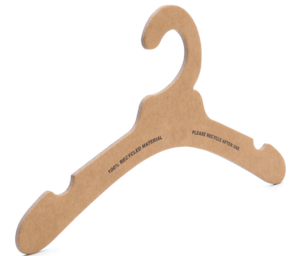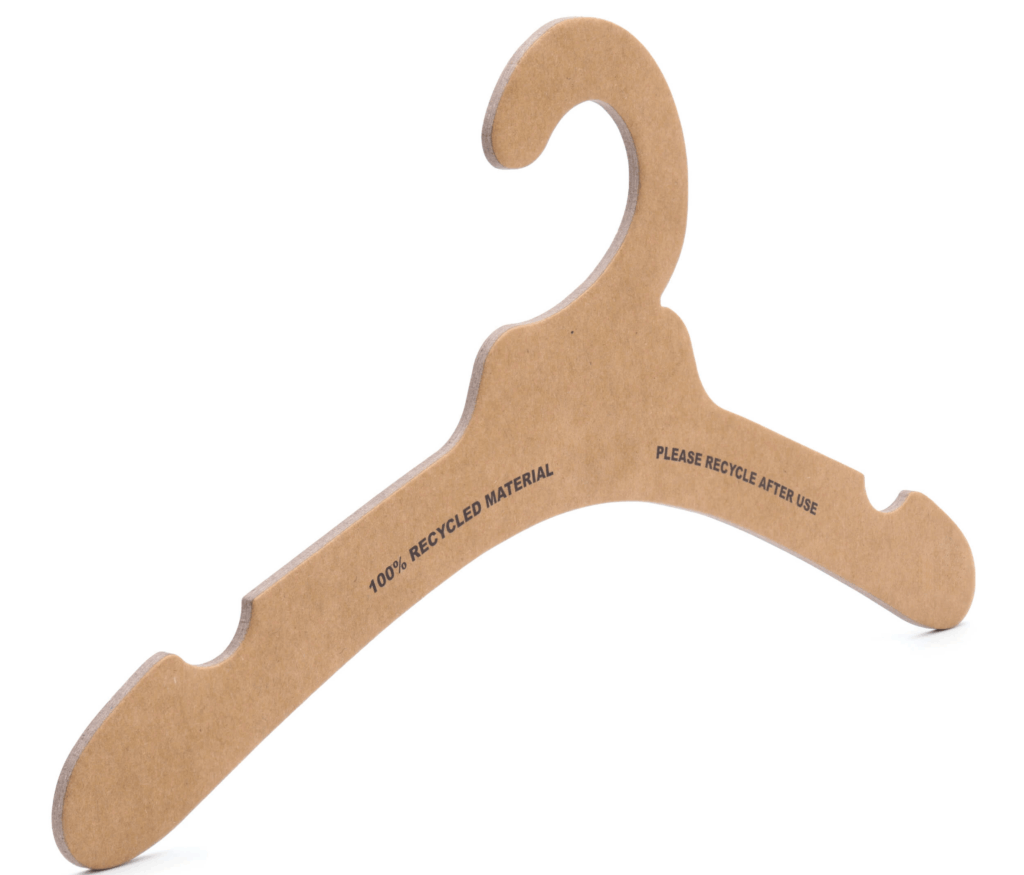
Plenty of fashion brands wonder if cardboard hangers can really handle their stores and warehouses. It’s a fair question, especially when you’re dealing with pricey clothes that need to look sharp from shipping to display.
Modern cardboard hangers, when designed well, support most clothing types—from t-shirts to lightweight jackets. Unlike plastic hangers that rely on thickness, cardboard gets its strength from clever design: folded layers, reinforced shoulders, and construction that spreads weight across the hanger.
Big names like Nike, Adidas, and Uniqlo have already switched to cardboard hangers. They’ve found these hangers work for their products and help cut down on plastic waste. The trick is picking the right design for each garment.
Are Cardboard Hangers Strong Enough for Fashion Brands?
Weixin Cardboard hangers can handle most garments found in fashion retail if you get the design right. Major brands like Nike, Adidas, and Puma have pulled off the switch without losing out on garment presentation or durability.
Load Capacity and Durability in Retail Use
Depending on the design, modern cardboard hangers hold about 2 to 5 pounds. That covers most clothing you’ll see in stores, from tees to denim jackets.
In daily retail use, these hangers do the job. They survive shipping, storage, and regular store rack use. Most last the whole retail cycle without snapping or bending out of shape.
Common garments supported by cardboard hangers:
- T-shirts and knitwear (1-2 lbs)
- Button-up shirts and blouses (2-3 lbs)
- Denim jeans and pants (3-4 lbs)
- Lightweight jackets (3-5 lbs)
Fashion brands using cardboard hangers say failure rates stay low—so long as they match hanger strength to the garment. The hangers keep their shape through normal warehouse and store handling. For heavy winter coats or thick outerwear, you might need reinforced cardboard or a different material.
Comparing Cardboard Hangers to Wooden and Plastic Hangers
Cardboard hangers get their strength in a different way than plastic or wooden ones. Plastic hangers count on thickness, while wooden hangers rely on solid wood density. Cardboard hangers use layered construction and smart folding.
| Hanger Type | Typical Weight Capacity | Key Strength Feature |
|---|---|---|
| Cardboard | 2-5 lbs | Layered construction |
| Plastic | 3-6 lbs | Material thickness |
| Wooden | 5-10 lbs | Solid wood density |
Cardboard hangers usually cost less than wooden ones, but more than basic plastic. They match plastic hangers for strength in most retail settings. Moisture can be a problem, though—plastic and wood handle that better.
Types of Cardboard Hangers and Their Strength
Not all cardboard hangers are created equal. Basic flat ones are fine for light items. If you need to hang heavier garments, look for reinforced designs with extra layers and folding.
Standard cardboard hanger types:
- Single-layer flat hangers (up to 2 lbs)
- Double-layer folded hangers (2-4 lbs)
- Reinforced shoulder hangers (4-5 lbs)
- Hybrid cardboard-metal hook designs (3-6 lbs)
The design matters more than cardboard thickness. Shoulders with extra reinforcement help spread the weight, so the hanger doesn’t bend or snap. Brands can customize hangers with specific load requirements in mind.
Factors Influencing Cardboard Hanger Performance
Several things affect how well a cardboard hanger holds up. Cardboard density is big—higher-density paperboard means more strength. Manufacturing quality also plays a part.
Humidity is the enemy here. High moisture weakens cardboard fibers over time. Stores with climate control help keep hangers stronger for longer.
Key performance factors:
- Paperboard density: 400-600 GSM works for most garments
- Layer count: Multiple layers boost load capacity
- Fold design: Smart folds spread weight out
- Hook attachment: Reinforced spots keep hooks from pulling out
- Storage conditions: Dry environments keep hangers in shape
Most hanger failures happen when the wrong design is picked for the garment. If brands match hanger specs to their actual products, cardboard hangers hold up just fine through the supply chain.
Sustainability Benefits of Cardboard Hangers
Cardboard hangers give fashion brands a real way to cut their environmental impact without losing out on function. These paper hangers tackle plastic waste, use renewable materials, and offer branding options that fit with sustainability goals.
Reducing Plastic Waste in Fashion Retail
Fashion retail churns out a ton of plastic waste just from hangers. Most brands still use plastic for packaging, shipping, and displays. Usually, those hangers go straight to landfills after one use.
Switching to paper hangers takes that plastic out of the system. Every cardboard hanger means one less plastic hanger hanging around for centuries.
For big brands, the numbers are huge. If a company ships 100,000 garments a year, that’s 100,000 fewer plastic hangers clogging up landfills. That’s a real, measurable dent in plastic waste.
Paper hangers also make recycling easier. Unlike plastic hangers, which need special facilities, you can toss cardboard hangers right into the regular paper recycling bin. That’s one less hassle for customers.
Eco-Friendly Materials and Manufacturing
Manufacturers make cardboard hangers from high-density paperboard, often with recycled content and from FSC-certified forests. So the raw stuff comes from managed sources, not oil-based plastics.
Making paper hangers usually takes less energy than making plastic ones. No molds or big tooling setups, so the environmental footprint shrinks even more.
Lots of eco-friendly hangers use 70-90% recycled paperboard. That gives old material a new purpose and cuts down on the need for fresh resources. The rest comes from forests that are actually managed responsibly, with traceable sourcing.
Shipping is lighter on the planet too. Cardboard hangers weigh much less than plastic, and you can ship them flat. That means less fuel burned and fewer carbon emissions moving them through the supply chain.
Cardboard Hanger Customization for Brand Identity
Sustainable hangers open up a ton of customization options, letting brands really show off their environmental values. Paper hangers work well with printing, embossing, and all sorts of finishing touches—brands can get creative while keeping things eco-friendly.
Fashion brands often print their logos, sustainability notes, or even care tips right on these hangers. Suddenly, something as ordinary as a hanger doubles as a branding moment, quietly reminding shoppers that the company actually cares about cutting down on plastic.
It’s a lot easier (and cheaper) to make custom shapes with cardboard than with plastic. If a brand wants a hanger that fits their vibe, they don’t have to mess with pricey molds or wait forever for design tweaks. Things just move faster and cost less.
The look and feel of paperboard also speaks to folks who genuinely care about sustainability. It’s hard to fake that honest, eco-friendly vibe—unlike those so-called “green” plastics, a cardboard hanger just feels right from the start.
About Author