The right coat hanger material affects how long your clothes last and how good they look. Different materials work better for different types of clothing, and picking the wrong one can lead to stretched shoulders, creases, or damaged fabric.
The best material for a coat hanger depends on what you’re hanging. Wooden hangers are best for heavy items like coats and suits, velvet hangers grip delicate fabrics and prevent slipping, and plastic hangers are a budget-friendly option for everyday clothes. Each material has its own strengths and weaknesses for durability, space saving, and protecting your wardrobe.
Understanding the differences between materials will help you choose the right hangers for your closet. You’ll learn how to match hanger types to your clothing needs and get the most from your storage space.
Comparing the Best Materials for Coat Hangers
Each hanger material offers different benefits. Wood provides strength for heavy items, metal saves space, plastic is affordable, velvet prevents slipping, acrylic looks modern, and wire hangers are for temporary needs.
Wooden Hangers: Strength and Aesthetic Appeal
Wooden hangers are the strongest option for heavy coats and jackets. They support weight without bending or breaking, helping garments keep their original shape. The thick design prevents shoulder bumps.
These hangers are ideal for suits, blazers, and winter coats. The smooth wood surface won’t snag fabric or damage delicate materials.
Wood hangers also add a premium look to your closet, creating a uniform and organized appearance.
Key benefits:
- Support up to 10-15 pounds per hanger
- Maintain garment shape over time
- Last for years with minimal wear
- Available in natural, walnut, and cherry finishes
The main drawback is cost. Wood hangers typically cost $2-5 each. They also take up more closet space than slim hangers.
Metal Hangers: Durability and Space-Saving Designs
Metal hangers combine strength with a slim profile. They measure about 1/4 inch thick, so you can fit more clothes in the same space. Chrome or stainless steel construction resists rust.
These hangers handle heavy coats without bending and work well in small closets. Hotels and laundries use metal hangers because they withstand frequent use.
Popular metal types:
- Chrome-plated steel
- Stainless steel (rust-proof)
- Aluminum (lightweight)
Metal hangers cost between $1-3 each. Some designs include rubber grips or felt padding to prevent clothes from sliding off. The thin design can leave marks on soft fabrics if not used carefully.
Recycled Plastic and Cardboard Hangers
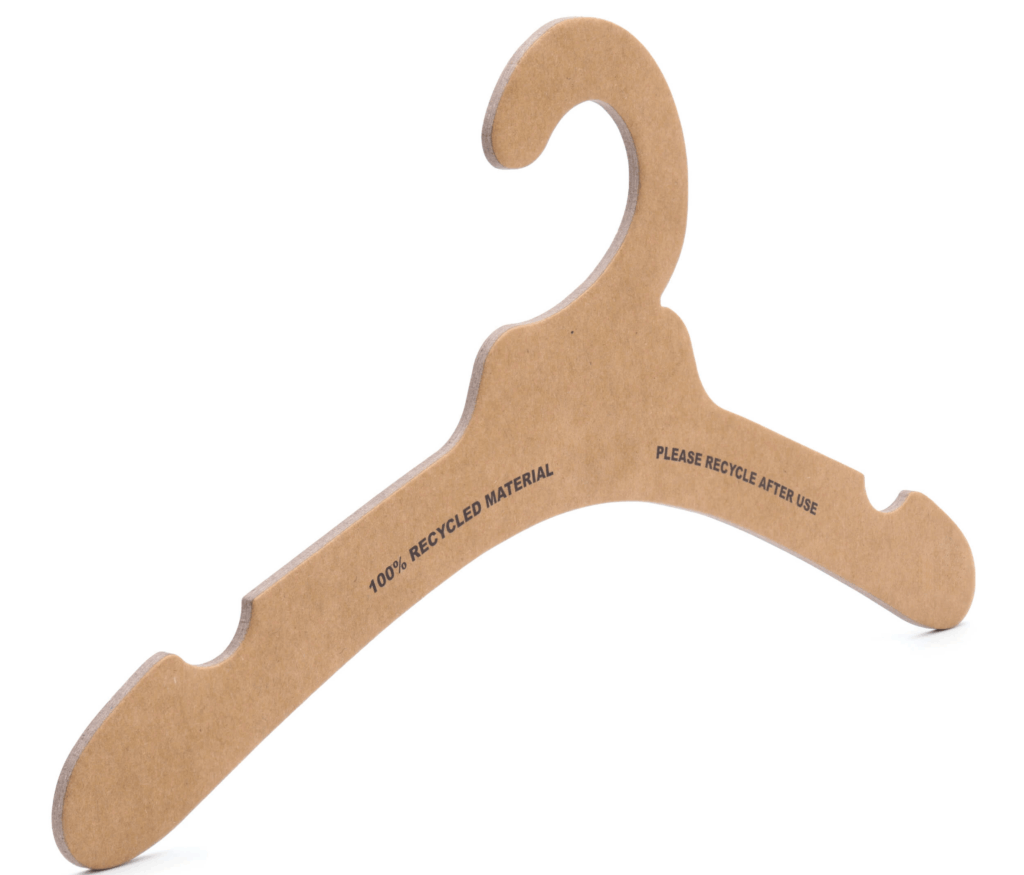
Choosing recycled plastic hangers helps divert existing plastic from landfills and oceans. They give post-consumer waste a second life as practical closet essentials, eliminating the need for new petroleum-based materials. Some companies even source ocean-bound plastic or other recycled streams to create sturdy, long-lasting hangers.
For a different approach, cardboard hangers offer a fully recyclable option—ideal for lightweight garments. If you opt for plastic, check that the hangers themselves are recyclable once they’ve served their purpose.
Another promising alternative is hemp hangers, made from fast-growing crops that have a minimal environmental footprint. Each of these options helps curb demand for virgin plastic while providing thoughtful, functional storage solutions.
Velvet and Flocked Hangers: Non-Slip Solutions
Velvet and flocked hangers have a soft coating that grips fabric. This stops coats from sliding off. The texture works especially well for slippery materials like silk and satin.
These hangers are slim like metal ones but gentler on fabric. The velvet surface prevents creases and doesn’t leave shiny marks. You can fit about 50% more hangers in your closet compared to wooden ones.
Velvet hangers typically cost $1-2 each. The coating can wear off after several years, especially where you grip the hanger most often. Some people find the fuzzy texture makes it harder to slide clothes on and off quickly.
Read more: Are Cardboard Hangers Strong Enough for Fashion Brands?
Acrylic Hangers: Modern and Transparent Choices
Acrylic hangers offer a sleek, clear look that makes your clothes stand out. The transparent design creates a modern effect. Boutiques and high-end stores use acrylic hangers to showcase expensive items.
The material is stronger than it looks. Quality acrylic hangers support medium-weight coats without cracking and resist yellowing better than cheap plastic options.
These hangers cost $2-4 each, similar to wood hangers. The smooth surface works for most fabrics but can be slippery. Some acrylic designs include rubber strips or grooves to help grip clothes.
Acrylic scratches more easily than other materials. Rough handling can leave marks that make the hanger look cloudy.
Wire Hangers: Pros and Cons
Wire hangers are thin, cheap, and widely available. Dry cleaners give them away free with every order. They take up minimal space and work for temporary storage needs.
The thin wire can’t support heavy coats properly. The weight pulls down and creates shoulder bumps that distort your coat’s shape. Wire also bends easily, which makes hangers useless after they lose their form.
Wire hangers cost almost nothing, but they’re not worth using for coats you care about. Save them only for quick, temporary use or recycling.
How to Choose the Best Coat Hanger Material for Your Needs
The right hanger material depends on what you’re hanging, how much space you have, and how long you need them to last. Consider your garment types, closet layout, and budget.
Selecting Based on Garment Type and Weight
Heavy winter coats and suits need wooden hangers or metal suit hangers with strong weight capacity. Wood hangers made from hardwoods like maple or cedar can support 10-15 pounds without bending. These are best for structured jackets and wool coats that need to keep their shape.
Light garments like t-shirts and blouses work well with plastic or velvet hangers. Contoured hangers help preserve the shoulder line of dress shirts and delicate fabrics. For pants and skirts, look for hangers with a pant bar or adjustable clips that won’t leave marks.
Delicate fabrics require extra care. Silk blouses and cashmere sweaters do better on rubberized or velvet-covered hangers. The soft surface prevents slipping and won’t snag fine materials. Avoid wire hangers for anything delicate since they can create creases and distort fabric over time.
Closet Space and Organization Considerations
Slim velvet hangers save significant space compared to bulky wood options. You can fit about 50% more garments using thin profile hangers instead of standard plastic ones. The flocked surface keeps clothes from sliding off.
Swivel hooks make it easier to access garments in tight spaces. They let you rotate hangers without removing them from the rod. This feature works well in deep closets or when organizing by outfit.
The IKEA Bumerang hanger offers a middle ground with its curved design and moderate thickness. It takes up less space than traditional wood hangers but provides better support than basic plastic. Brightroom flocked hangers are another space-saving option with a thin profile and good grip.
Specialty Hangers and Practical Features
Suit hangers often include a pant bar to keep full outfits together. Look for models with a locking bar that prevents pants from slipping. Some suit hangers feature clips instead of bars for more flexibility.
Multiple-tier hangers let you hang several items vertically. These work for scarves, tanks, or organizing complete outfits. The cascading design uses vertical space instead of horizontal rod space.
Notched hangers keep strappy dresses and tops from falling. The small indentations along the hanger shoulders secure thin straps. Cedar hangers add moth protection and odor control for storing wool items long-term.
Durability, Longevity, and Cost Factors
Wood hangers last 10-20 years with proper care and cost $2-5 each. They resist breaking under heavy loads and keep their shape over time. Cedar and hardwood options are more expensive but last longer.
Plastic hangers usually cost $0.25-1 each and may crack within 2-3 years. They become brittle with repeated use, especially when holding heavy items. Budget plastic is best for temporary storage or light garments.
Metal hangers cost $1-3 each and can last 5-10 years. They bend instead of breaking, so you can sometimes reshape them. Wire hangers are the cheapest but offer little support and can damage clothes.
Velvet hangers cost $1-2 each and last 3-5 years before the fabric wears off. The coating may peel with heavy use, but they save space. Choose velvet hangers with reinforced necks to prevent breaking at the hook.